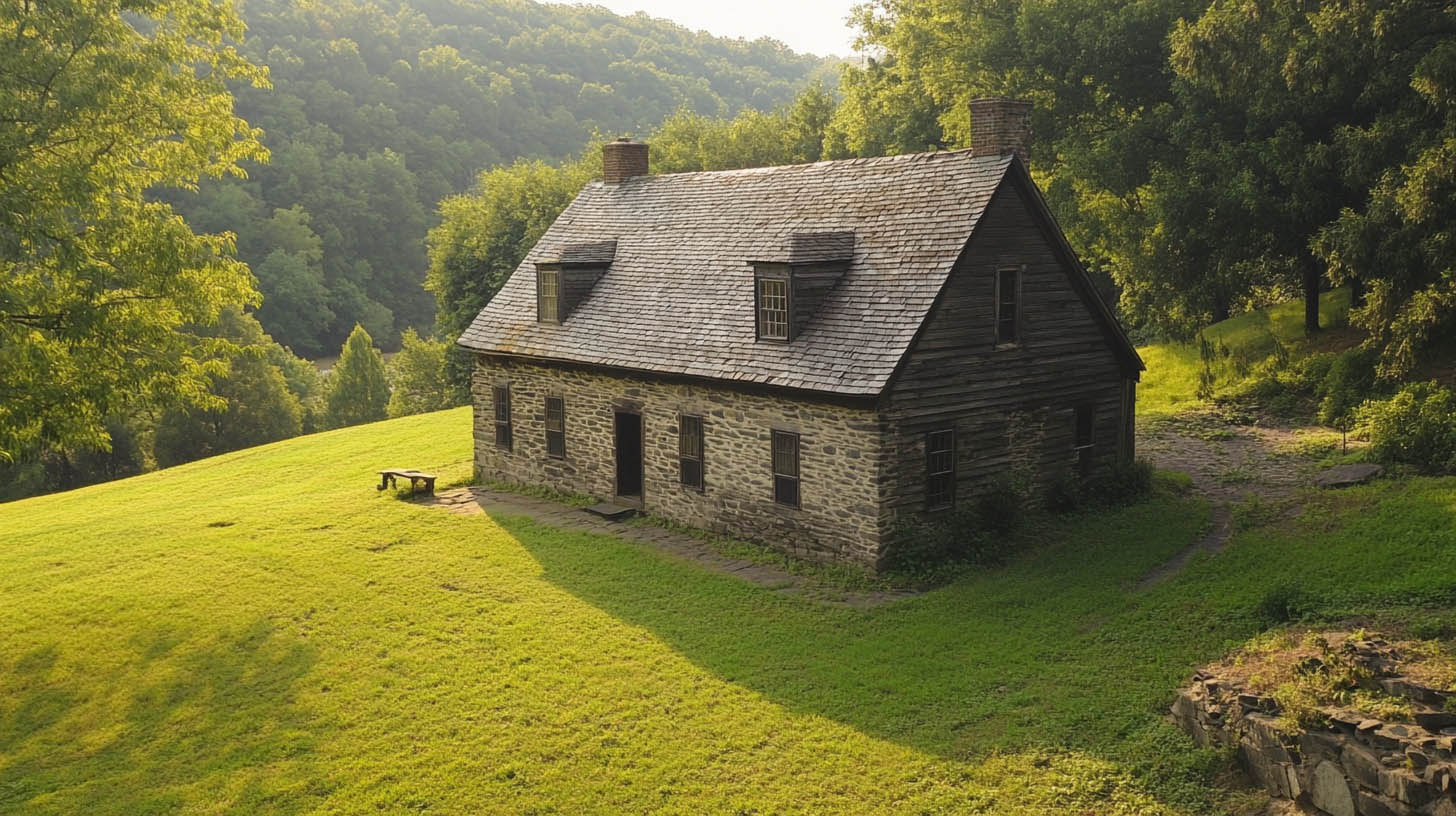
West Virginia’s architectural evolution is deeply intertwined with its roofing styles, reflecting the state’s history, resources, and cultural influences. Rainstoppers Roofing, based in Charleston, WV, continues to honor these traditions by offering modern, durable roofing solutions tailored to the region’s heritage and needs.
Early Roofing Materials (Pre-1800s)
Wooden Shakes
Frontier settlers in areas like Clarksburg and Fairmont relied on wooden shakes made from locally sourced timber. These roofs were practical and readily available, providing basic shelter against the elements.
Shale and Slate
With growing settlements, slate and shale became popular. These quarried materials offered superior durability and weather resistance, frequently seen on homes in Morgantown and Buckhannon.
Fun Fact: Early slate roofs were so durable that many still stand today in historic districts, testament to their resilience and craftsmanship.
Industrial Expansion (1800s–1900s)
Rise of Metal Roofing
Corrugated metal roofing emerged as a fire-resistant option for commercial and public buildings. This material dominated towns like Weston and Fairmont, where industrial development demanded durable, cost-effective roofing solutions.
Wealth and Slate Roofs
For affluent homeowners, slate remained a status symbol. Wealthy neighborhoods in cities like Morgantown featured ornate slate roofs, showcasing their owners’ prosperity and taste.
20th Century: The Dominance of Asphalt Shingles
Accessibility and Popularity
The 20th century brought asphalt shingles, revolutionizing roofing with affordability and ease of installation. These became the go-to choice for residential properties, dominating homes across West Virginia.
Expanding Choices
Modern advancements introduced new materials like composite and metal roofing, providing a diverse array of options for homeowners to balance style, durability, and budget.
Cultural and Local Influences
Coal Mining Towns
Communities in mining regions, such as Farmington, often used slate and metal roofs for their fire-resistant properties—a critical feature in areas prone to industrial fires.
German Heritage
The steep roof pitches common in Shepherdstown reflect the German architectural influence. These designs accommodated materials like slate and metal, ideal for shedding snow and rain.
Modern Roofing Trends in West Virginia
Today’s homeowners are embracing eco-friendly and energy-efficient materials. Durable options like metal and composite shingles are gaining traction, combining sustainability with traditional aesthetics.
FAQs
1. What roofing material was most common in early West Virginia?
Wooden shakes and slate dominated due to their availability and durability.
2. How has roofing evolved in mining towns?
Fire-resistant materials like slate and metal were favored in coal mining towns to mitigate fire risks.
3. What modern materials best honor historic roofing styles?
Metal and composite shingles can replicate the appearance of traditional slate while offering enhanced durability.
Conclusion
West Virginia’s roofing history is a narrative of innovation and adaptation. Whether preserving historic styles or embracing modern solutions, Rainstoppers Roofing provides roofing services that honor the past while securing your home’s future. Contact us to explore your options today.To learn how to decide whether to repair or replace your roof, click here.